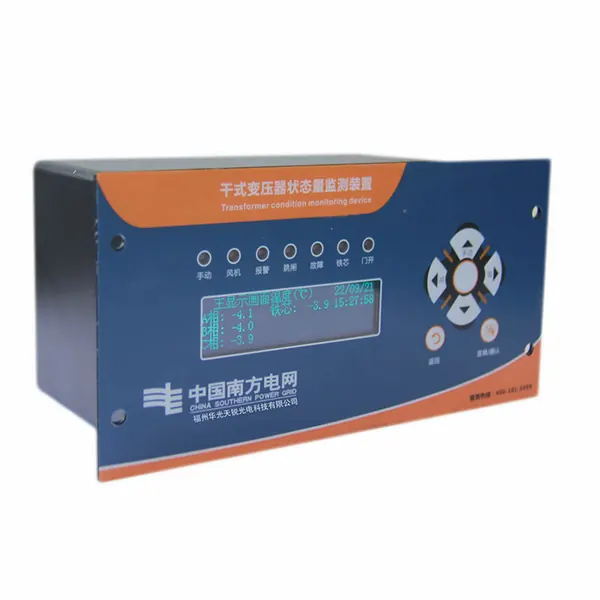
transformer online monitoring system
Dry-Type Transformer State Monitoring Device
Integrated dry-type transformer temperature, load and operating-status monitoring for condition-based maintenance.

Combine thermal, electrical, chemical and mechanical condition evidence with operating context and maintenance history.
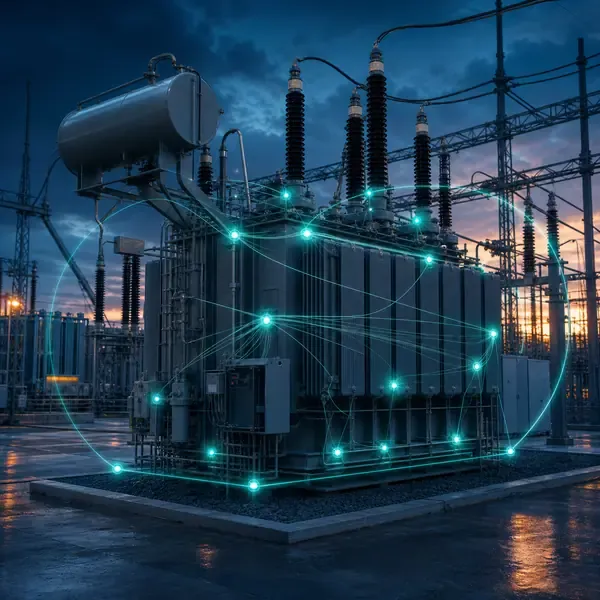
Compare available sensors and instruments that can support this project scope.
Integrated dry-type transformer temperature, load and operating-status monitoring for condition-based maintenance.
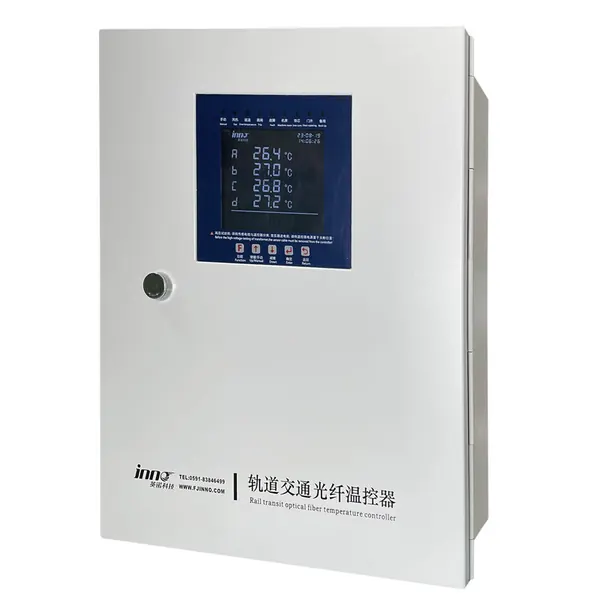
Transformer winding temperature monitoring configured for rail power and traction environments.
transformer condition monitoring
A single health score can hide a fast-rising gas, a failed sensor or conflicting measurements. Maintenance teams need to know why the status changed, not only whether the dashboard is green or red.
Condition monitoring groups verified thermal, chemical, electrical and mechanical trends by transformer subsystem. A health index may prioritize review, but the source measurements and weighting remain visible.
The system uses existing and new sensors according to asset criticality. Data quality, sensor health and missing context are assessed before condition conclusions are made.
Condition and health monitoring organizes verified measurements by subsystem and failure mode. A transparent health index can prioritize review, but it must expose data quality, weighting, trend and the source evidence behind the score.
| Assessment element | Required input | Risk if omitted |
|---|---|---|
| Data quality | Sensor health, timestamps and missing values | False healthy or false abnormal status |
| Failure-mode grouping | Thermal, oil, insulation, bushing and OLTC evidence | Unrelated values averaged together |
| Trend severity | Level, rate, persistence and consequence | Slow and acute changes treated alike |
| Maintenance history | Oil work, tests, repairs and configuration changes | Artificial step changes misread as deterioration |
Condition indicators are grouped by subsystem and linked to trends, alarms, maintenance records and operating events. The original measurement remains accessible behind any summary.
Condition monitoring groups verified thermal, chemical, electrical and mechanical trends by transformer subsystem. A health index may prioritize review, but the source measurements and weighting remain visible.
After oil filtration, dissolved-gas concentrations may fall sharply. Without a maintenance marker, a score may report an apparent improvement and then misread the later baseline. The event must create a new comparison period.
Check data completeness and instrument health before ranking the asset. Separate acute alarms from long-term deterioration and link each recommendation to the measurements that caused it.
A health-monitoring project begins with an asset register, criticality method, failure-mode library, available data, data-quality rules and maintenance workflow.
Commissioning should prove each channel with a realistic input, confirm the channel name and units, simulate alarms and record the first usable baseline.
Health assessment distinguishes long-term deterioration from acute warnings. A stable medium-risk score must not suppress a fast-developing high-consequence signal.
Condition summaries can support asset-management prioritization while SCADA continues to handle operational alarms. Ownership of each decision is documented.
Useful for mixed fleets where maintenance resources must be directed to the transformers with the clearest and most consequential changes.
Health indices are decision aids, not proof of remaining life. Weighting and thresholds must be transparent and reviewed against actual transformer design and history.
Compare proposals line by line. Confirm the included sensors, cables, field equipment, software, drawings, commissioning work and communication interface instead of comparing only the monitoring host.
The final scope depends on transformer design and project objectives. It normally combines selected sensors, field acquisition, alarms, communications and an engineering response process.
Retrofit feasibility depends on sensor access and outage constraints. External measurements are usually easier to retrofit than winding sensors installed inside the active part.
Yes when the selected field equipment supports the required interface. The protocol, tag list, network responsibility and acceptance tests must be defined.
No. Online trends reduce information gaps, while offline tests, oil samples and inspections remain important confirmation tools.
Provide transformer drawings and ratings, installation stage, required measurements, communication architecture, alarm philosophy and project quantity.
Monitoring guidance is provided for project scoping. Final sensor placement, alarm settings, interfaces and diagnostic actions depend on transformer design and owner procedures.
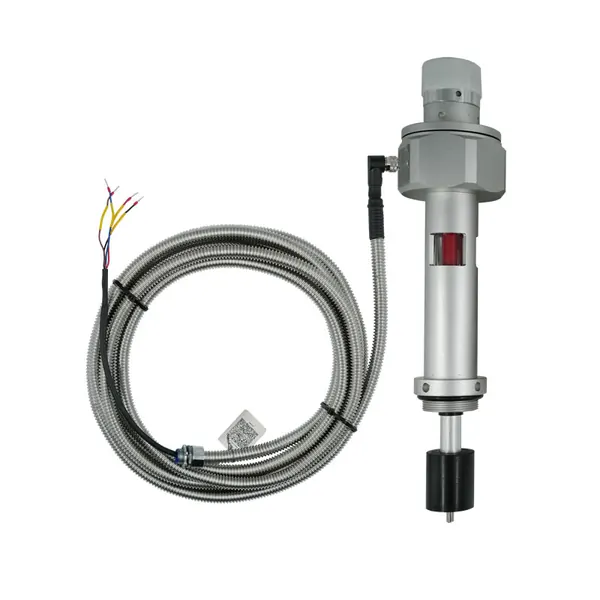
Share the transformer design, measurement points, installation stage and communication requirements. FUZHOUINNO will review a suitable product and monitoring configuration.