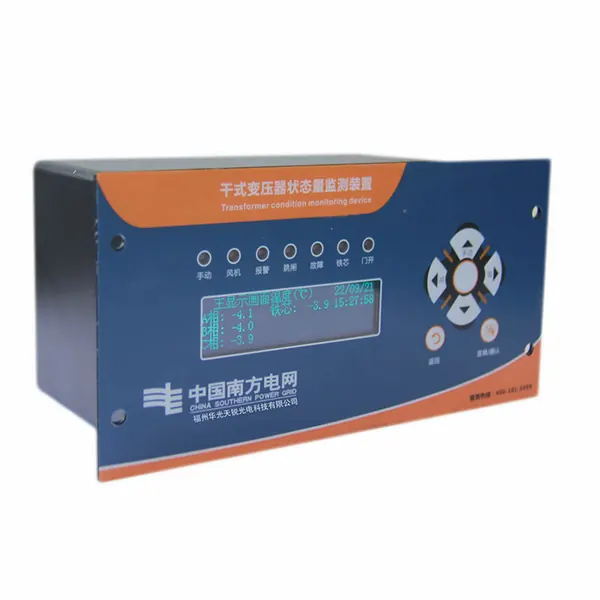
transformer online monitoring system
Dry-Type Transformer State Monitoring Device
Integrated dry-type transformer temperature, load and operating-status monitoring for condition-based maintenance.

Combine transformer temperature, DGA, partial discharge, oil, bushing, OLTC and cooling evidence in one coordinated monitoring architecture.
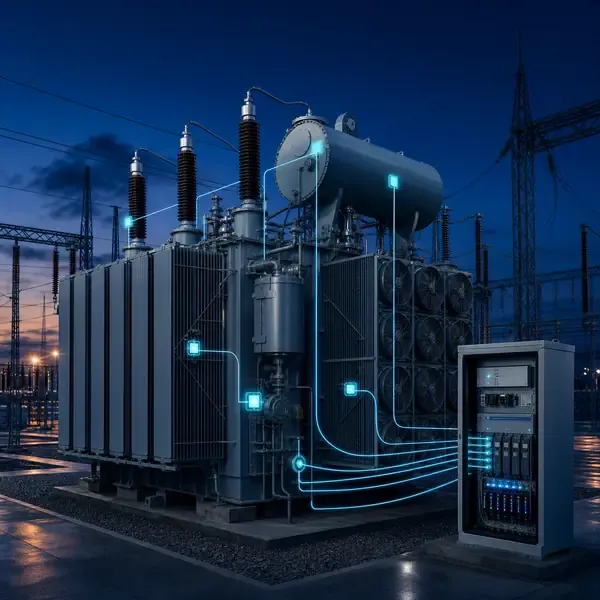
Compare available sensors and instruments that can support this project scope.
Integrated dry-type transformer temperature, load and operating-status monitoring for condition-based maintenance.
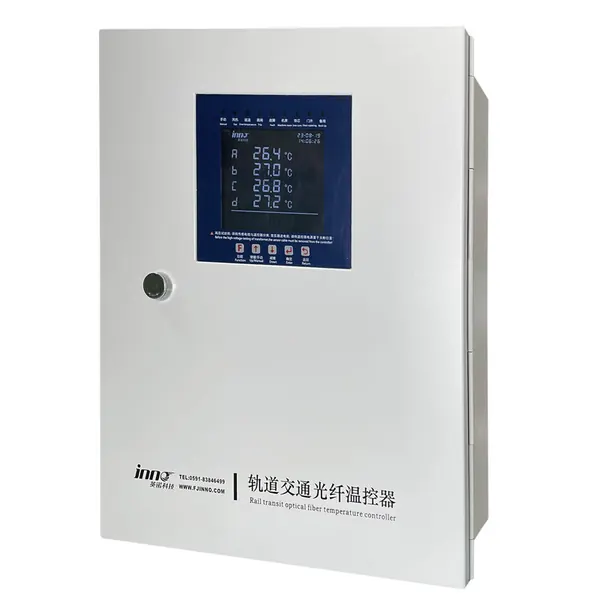
Transformer winding temperature monitoring configured for rail power and traction environments.
integrated transformer monitoring system
Temperature, DGA, PD, bushing and OLTC devices often arrive as separate packages. If their clocks, tags and alarms are not coordinated, operators see duplicate warnings while specialists cannot reconstruct the event.
An integrated system keeps signal-specific acquisition at the field level and combines selected status, alarms and trends at station level. High-resolution PD records, chromatograms and OLTC event files stay available to the specialist who needs them.
Each sensing method retains its own installation and diagnostic limitations. Integration does not mean forcing every raw signal through one generic algorithm.
Integration coordinates multiple specialist monitors without pretending their signals are interchangeable. A shared asset identity, time base, alarm hierarchy and data-ownership model connects thermal, chemical, electrical and mechanical evidence.
| Data consumer | Information needed | Information normally retained elsewhere |
|---|---|---|
| Control room | Actionable alarms, device status and selected values | Waveforms, chromatograms and detailed diagnostics |
| Maintenance | Trends, event context and confirmation workflow | Protection-only records |
| Asset management | Transparent condition evidence and work history | High-rate raw streams |
| Specialist analyst | Original records and configuration metadata | Simplified health score alone |
Field monitors connect through a defined station network and data model. Summary values serve operators, while detailed diagnostic records remain available to the appropriate specialist tools.
An integrated system keeps signal-specific acquisition at the field level and combines selected status, alarms and trends at station level. High-resolution PD records, chromatograms and OLTC event files stay available to the specialist who needs them.
A temperature warning followed by fan feedback failure belongs in one operating event. A PD waveform should not be reduced to the same type of numeric trend, but its timestamp can still be aligned with voltage, load and other alarms.
Create one channel and tag register, one time source and one alarm ownership table. Test device failure and network interruption separately from transformer-condition alarms.
The project specification should define system boundaries, responsibilities, deliverables, cabinet layout, power, network, testing, commissioning and acceptance criteria.
Commissioning should prove each channel with a realistic input, confirm the channel name and units, simulate alarms and record the first usable baseline.
A hierarchy separates device health, parameter warnings, confirmed multi-parameter concern and protection actions. Duplicate alarms should be rationalized during commissioning.
Protocol gateways, tag maps, time synchronization, network security and data retention are designed with the owner’s SCADA and asset-management teams.
Best for new substations, major transformer upgrades and fleets that need one operating view without losing specialist diagnostic data.
Integration improves coordination but does not make dissimilar measurements interchangeable. Diagnostic conclusions still require appropriate expertise and confirmation.
Compare proposals line by line. Confirm the included sensors, cables, field equipment, software, drawings, commissioning work and communication interface instead of comparing only the monitoring host.
The final scope depends on transformer design and project objectives. It normally combines selected sensors, field acquisition, alarms, communications and an engineering response process.
Retrofit feasibility depends on sensor access and outage constraints. External measurements are usually easier to retrofit than winding sensors installed inside the active part.
Yes when the selected field equipment supports the required interface. The protocol, tag list, network responsibility and acceptance tests must be defined.
No. Online trends reduce information gaps, while offline tests, oil samples and inspections remain important confirmation tools.
Provide transformer drawings and ratings, installation stage, required measurements, communication architecture, alarm philosophy and project quantity.
Monitoring guidance is provided for project scoping. Final sensor placement, alarm settings, interfaces and diagnostic actions depend on transformer design and owner procedures.
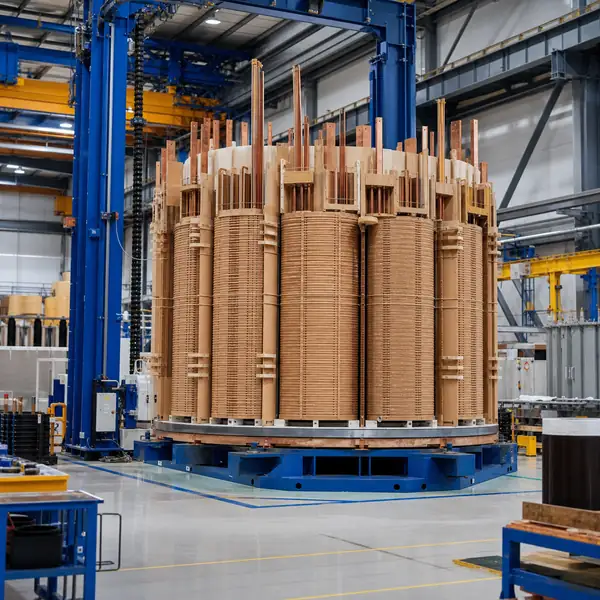
Share the transformer design, measurement points, installation stage and communication requirements. FUZHOUINNO will review a suitable product and monitoring configuration.